Understanding Your Credit Report: The Complete 2026 Guide
Last year, 79 million Americans found errors on their credit reports—mistakes that cost them an average of $1,200 annually in higher interest rates.
That’s not a typo. According to the Consumer Financial Protection Bureau, credit report inaccuracies remain one of the most common yet preventable financial problems facing US consumers in 2026. A single misreported late payment can drop your score by 100 points; a fraudulent account you never opened could disqualify you from that mortgage you’ve been planning for years. The three-digit number derived from your credit report determines whether you rent an apartment, finance a car, or even land certain jobs—yet most people haven’t checked their report in over 18 months. We covered this analysis of First-Time Home Buyer Savings Guide: Understanding Finances in detail elsewhere.
The stakes have never been higher. With interest rates still elevated and lenders scrutinizing applicants more carefully than ever, understanding exactly what appears on your credit report isn’t optional—it’s essential financial self-defense.
Quick Answer: Your credit report is a detailed record of your borrowing history maintained by three bureaus (Equifax, Experian, TransUnion), and you should review all three reports at least annually through AnnualCreditReport.com—the only federally authorized free source—to catch errors and protect your financial standing.
What You’ll Learn
- The five sections every credit report contains and what each reveals to lenders
- How to access your free credit reports in 2026 without falling for scam sites
- Red flags that indicate identity theft or reporting errors
- Step-by-step dispute process that actually gets results
- How long negative items stay on your report—and legal ways to address them faster
What Is a Credit Report and Why Does It Matter?
A credit report is a comprehensive document that tracks your credit history—every loan you’ve taken, every credit card you’ve opened, and every payment you’ve made (or missed). Think of it as your financial biography, written by the three major credit bureaus: Equifax, Experian, and TransUnion. Lenders, landlords, insurers, and even some employers use this document to assess your financial reliability.

Photo by Markus Winkler on Unsplash
Each bureau compiles data independently, which means your three credit reports aren’t identical. A Federal Trade Commission study found that one in four consumers identified errors on at least one of their reports—errors significant enough to affect credit decisions. This discrepancy makes checking all three reports critical, not just one.
The Five Core Sections of Your Credit Report
| Section | What It Contains | Why It Matters |
|---|---|---|
| Personal Information | Name, addresses, SSN, employer | Verifies identity; errors here may indicate mixed files |
| Credit Accounts | All credit cards, loans, mortgages | Shows payment history and credit utilization |
| Public Records | Bankruptcies, civil judgments | Major negative factors that stay 7-10 years |
| Hard Inquiries | Applications for new credit | Too many can temporarily lower your score |
| Collections | Debts sent to collection agencies | Significantly damages creditworthiness |
Your credit report differs from your credit score. The report contains raw data; the score—ranging from 300 to 850 under FICO and VantageScore models—is a numerical summary calculated from that data. Lenders see both, but the report provides the context behind the number. A 680 score could reflect thin credit history or a past bankruptcy now seven years old—only the full report reveals which scenario applies to you.
In 2026, credit reports influence more than just borrowing. Auto insurers in most states factor credit-based insurance scores into premium calculations. Landlords routinely pull reports before approving rental applications. Some utility companies require deposits from applicants with poor credit histories. Understanding what’s in your report—and ensuring its accuracy—protects you across multiple financial touchpoints.
What Actually Appears on Your Credit Report
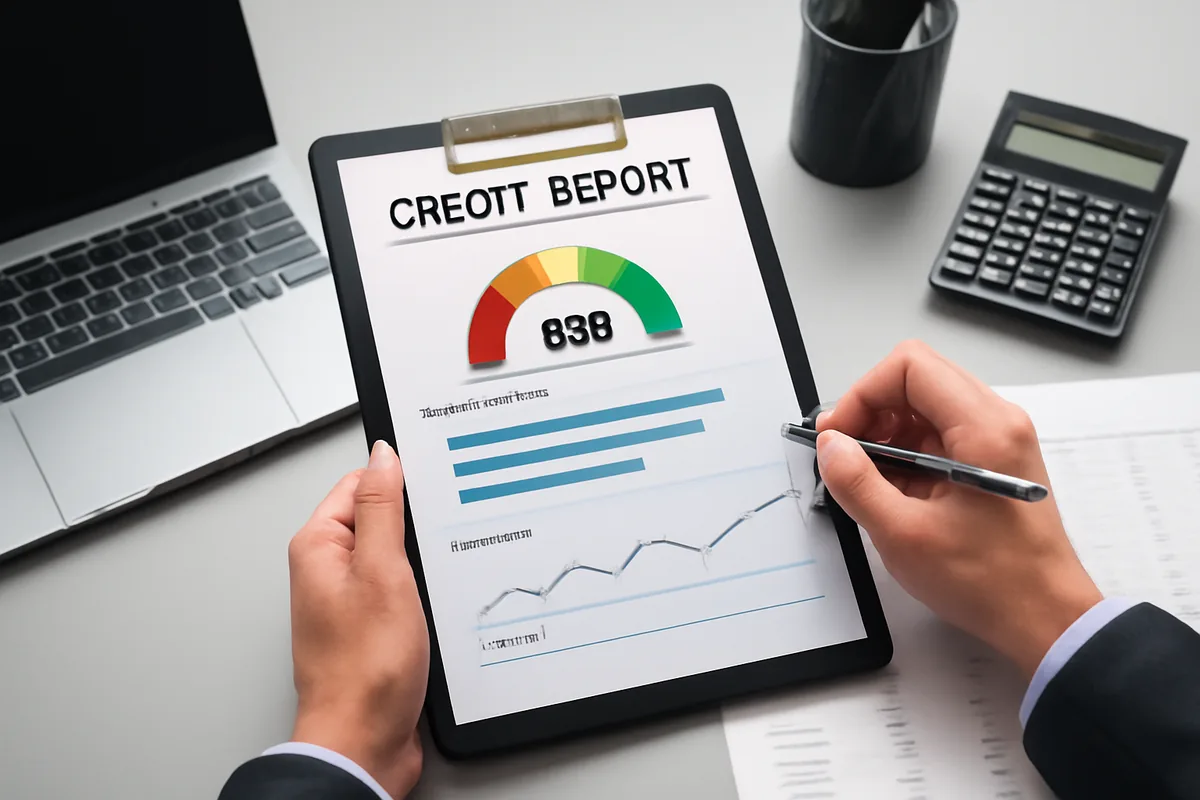
Your credit report isn’t just a score—it’s a comprehensive financial biography that lenders, landlords, and even some employers use to assess your reliability. Understanding exactly what appears on this document gives you power; you can spot errors, anticipate concerns, and strategically improve your standing.
Personal Identification Information
This section contains your name (including any variations you’ve used), Social Security number, date of birth, current and previous addresses, and employment history. It doesn’t affect your credit score directly, but errors here can signal identity theft or cause confusion with someone else’s records.
Multiple addresses or name variations are normal if you’ve moved or changed your name legally.
Credit Accounts (Trade Lines)
Here’s where the real substance lives. Every credit card, mortgage, auto loan, student loan, and retail account you’ve opened appears here with remarkable detail:
- Account type and creditor name
- Date opened and date closed (if applicable)
- Credit limit or original loan amount
- Current balance
- Payment history—month by month, typically for 24-84 months
- Account status (open, closed, paid, charged-off)
A single late payment from 2023 can still drag down your profile in 2026; most negative information remains for seven years.
Public Records and Collections
Bankruptcies, civil judgments, and tax liens once cluttered this section. Since 2018, the three major bureaus—Equifax, Experian, and TransUnion—removed most civil judgments and tax liens. Bankruptcies remain the primary public record item, staying on your report for 7-10 years depending on the chapter filed. For deeper context, see our guide on Roth IRA vs Traditional IRA: The Complete Decision Checklist.
Collection accounts deserve special attention. When you default on a debt and it’s sold to a collection agency, that agency reports separately. So a single unpaid medical bill can appear twice: as a charged-off account from the original creditor and as a new collection account.
Credit Inquiries: Hard vs. Soft
Not all inquiries are created equal.
| Inquiry Type | Impact on Score | Duration on Report | Common Examples |
|---|---|---|---|
| Hard Inquiry | 5-10 points temporarily | 2 years | Mortgage applications, credit card applications, auto loans |
| Soft Inquiry | None | Varies; often not shown | Pre-approval offers, background checks, checking your own report |
Here’s what many consumers miss: rate shopping for mortgages or auto loans within a 14-45 day window (depending on the scoring model) counts as a single inquiry. The system recognizes you’re comparison shopping—not desperately seeking credit.
Don’t avoid comparing lender offers out of fear; the scoring models account for this behavior.
Key Takeaways: Understanding Your Credit Report
- Check all three bureaus: Experian, Equifax, and TransUnion may have different information. You’re entitled to free weekly reports from AnnualCreditReport.com through 2026.
- Dispute errors promptly: The bureaus must investigate disputes within 30 days. Approximately 1 in 5 consumers find errors on their reports that could affect their scores.
- Payment history matters most: This factor accounts for 35% of your FICO Score. Even one 30-day late payment can drop your score by 60-110 points.
- Keep old accounts open: Length of credit history represents 15% of your score. Closing your oldest card can shorten your average account age and hurt your score.
- Monitor regularly for fraud: With data breaches affecting millions annually, checking your credit report helps catch identity theft early before it causes lasting damage.
Frequently Asked Questions
How often can I check my credit report for free?
As of 2026, you can access free weekly credit reports from all three major bureaus through AnnualCreditReport.com. This policy, originally a pandemic-era provision, has been extended indefinitely. Checking your own report is a “soft inquiry” and does not affect your credit score.
What’s the difference between a credit report and a credit score?
Your credit report is the detailed record of your credit history, including accounts, payment history, and inquiries. Your credit score is a three-digit number (300-850 for FICO) calculated from that report data. Lenders use both, but the score provides a quick snapshot while the report offers the full picture.
How long do negative items stay on my credit report?
Most negative items remain for 7 years from the date of first delinquency. Bankruptcies stay longer: Chapter 7 bankruptcy remains for 10 years, while Chapter 13 stays for 7 years. Hard inquiries fall off after 2 years but only impact your score for about 12 months.
Can I remove accurate negative information from my credit report?
Legally, accurate information cannot be removed before its designated timeframe expires. But some creditors offer “goodwill adjustments” for isolated late payments if you have an otherwise positive history. Paid collection accounts from medical debt under $500 are now removed under 2023 FCRA amendments still in effect.
Why are my three credit reports different from each other?
Not all creditors report to all three bureaus. Some may report only to Experian, others to Equifax and TransUnion. Additionally, bureaus may receive information at different times during the month. This explains why your scores can vary by 20-50 points across bureaus.
How do I dispute an error on my credit report?
File disputes directly through each bureau’s online portal: Experian’s Dispute Center, Equifax’s online dispute system, or TransUnion’s dispute page. Include documentation supporting your claim. Bureaus must investigate within 30 days and notify you of results. You can also dispute directly with the creditor reporting the information.
Does checking my own credit report hurt my score?
No. When you check your own credit, it’s recorded as a “soft inquiry” which doesn’t affect your score. Only “hard inquiries”—when lenders check your credit for lending decisions—can temporarily lower your score by 5-10 points. You can check your own report as often as you’d like without concern.
Conclusion
Your credit report is more than just a financial document—it’s the foundation that determines the interest rates you pay, the apartments you can rent, and sometimes even the jobs you can get. Understanding what’s in your report, how the information got there, and how to correct errors puts you in control of your financial reputation.
The practical steps are straightforward: pull your free reports from all three bureaus through AnnualCreditReport.com, review each section carefully for accuracy, and dispute any errors you find. Make this a regular habit—quarterly reviews catch problems before they compound. With data breaches continuing to expose consumer information in 2026, monitoring your credit report isn’t optional; it’s essential financial hygiene. The 30 minutes you spend reviewing your report today could save you thousands in interest charges and countless headaches over the years ahead.