The $400 Problem Sitting in Your Kitchen
Last month, I watched a friend unload her groceries—organic cereal, name-brand snacks, pre-cut vegetables—and wince when she tallied the receipt. $287 for one week. For two people.
She’s not alone. According to the Bureau of Labor Statistics, the average American household now spends over $475 monthly on groceries in 2026, up nearly 25% from 2020. That’s roughly $5,700 per year disappearing into refrigerators—much of it wasted, overpriced, or bought impulsively. We covered How to Create a Monthly Budget That Works: A Step-by-Step Gu in detail elsewhere.
But here’s what most budget guides won’t tell you: the problem isn’t your willpower. It’s your system.
Grocery stores employ teams of behavioral psychologists. They know exactly where to place the $8 cheese versus the $3 store brand. They engineer checkout lanes to maximize impulse buys. And without a counter-strategy? You’re bringing a shopping list to a psychological warfare zone.
After this guide, you’ll be able to:
- Cut your monthly grocery bill by 30-50% without sacrificing nutrition or taste
- Master the timing tricks that unlock automatic savings on everyday items
- Build a “set it and forget it” meal planning system that eliminates food waste
Time required: 45 minutes to set up; 20 minutes weekly to maintain
Skill level: Beginner
Prerequisites: What You’ll Need Before Starting
Good news—you probably have everything already.
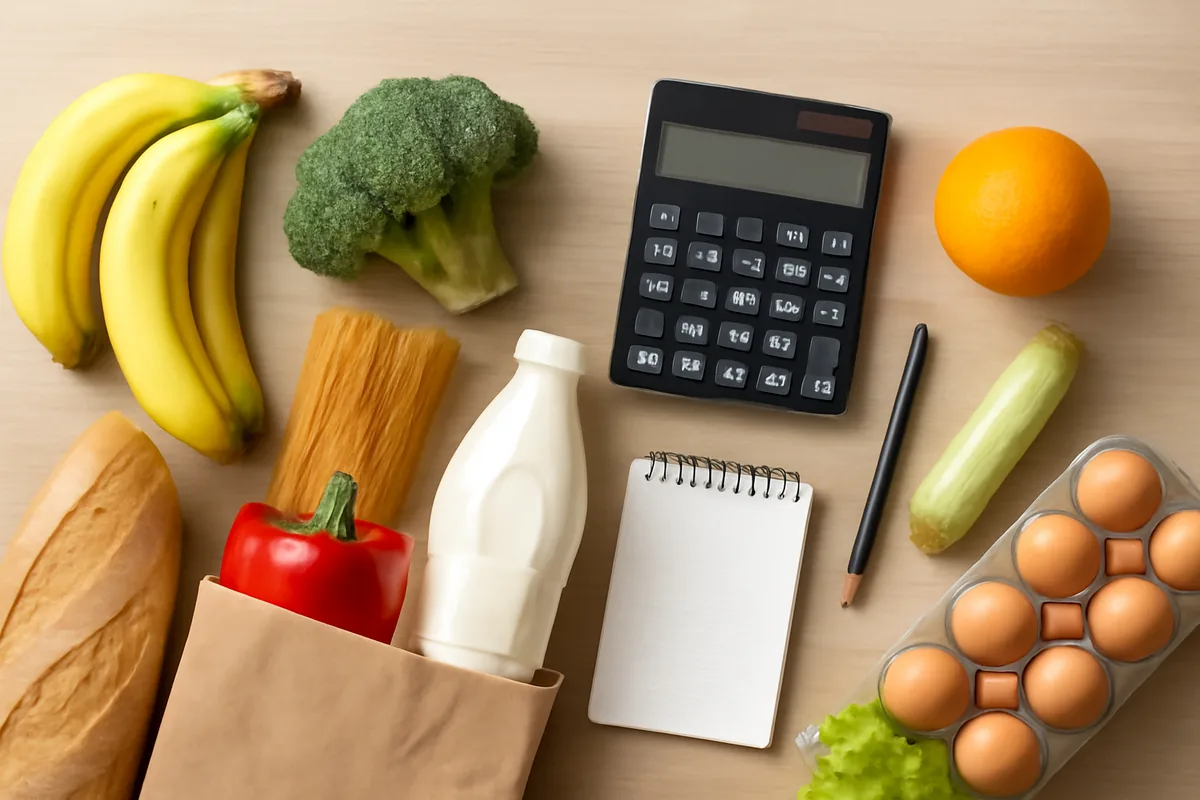
- Smartphone with app store access — You’ll download 2-3 free apps (Ibotta, store loyalty apps)
- One hour this weekend — For your initial pantry audit and system setup
- Basic calculator or budgeting app — To track your baseline spending
- Notebook or digital note app — For your dynamic shopping list
Optional but helpful: a chest freezer (even a small one) pays for itself within months if you buy meat and bread on sale.
Step 1: Conduct a Brutal Pantry Audit
Before you save money, you need to know where it’s vanishing.
Pull everything out of your pantry, refrigerator, and freezer. Yes, everything. That half-empty bag of quinoa from 2024? The frozen shrimp you forgot existed? The three opened boxes of pasta?
This exercise hurts. It should.
A USDA study found that American households waste approximately 30-40% of their food supply—translating to $1,500+ annually thrown directly into trash cans. Most people dramatically underestimate their waste because it happens gradually: a browning banana here, expired yogurt there.
Your Audit Action Items
- Group items by category — proteins, grains, canned goods, snacks, condiments
- Check expiration dates — Create a “use immediately” pile for anything expiring within two weeks
- Count duplicates — Three jars of pasta sauce? Four bags of rice? You’re shopping without a system
- Note the patterns — Do you overbuy snacks? Produce that rots? Ambitious ingredients for recipes you never make?
Write down every item that’s expired or will expire before you realistically use it. Calculate the approximate cost. That number? That’s your current “leak.”
Most families discover $50-150 in wasted food during their first audit. And that’s just what’s currently rotting—not the ongoing monthly hemorrhage.
Step 2: Calculate Your True Baseline (Not What You Think You Spend)
“We spend about $600 on groceries.”
I hear this constantly. And it’s almost always wrong.
People forget the CVS run for “just milk.” The gas station snacks. The Instacart order when they didn’t feel like cooking. The work lunches that technically count as food spending.
The 30-Day Truth Exercise
For the next month—or by reviewing your last month’s bank statements—track every food purchase. Every single one.
Categorize them: We covered our guide on How to Pay Off Credit Card Debt Fast: A Step-by-Step System in detail elsewhere.
| Category | What Counts | Your Total |
|---|---|---|
| Primary grocery store | Weekly/bi-weekly big shops | $____ |
| Secondary stores | Costco, Trader Joe’s, Aldi runs | $____ |
| Convenience purchases | Gas stations, CVS, 7-Eleven | $____ |
| Delivery fees | Instacart, DoorDash groceries | $____ |
| Work food | Cafeteria, vending machines | $____ |
Add those columns. The real number typically runs 20-35% higher than people’s mental estimates.
This isn’t about shame—it’s about data. You can’t optimize what you don’t measure accurately. And once you see where the money actually goes, the solutions become obvious.
Step 3: Build a Strategic Meal Plan Before You Shop
With your audit complete and baseline established, you’re ready to tackle the biggest money-saver: intentional meal planning. Walking into a grocery store without a plan is like navigating without a map—you’ll wander aimlessly, grab items impulsively, and leave with bags full of food that doesn’t actually combine into meals.
How to do it:
- Check your refrigerator, freezer, and pantry before planning anything. Note what needs to be used within the week—that half-bag of spinach, the chicken thighs you froze last month, the canned tomatoes pushed to the back of the shelf. Your meal plan should incorporate these items first, building meals around what you already own rather than purchasing duplicates.
- Design 5-7 dinners that share common ingredients. If you’re buying fresh cilantro for tacos on Monday, plan a Thai-inspired dish for Wednesday that also uses cilantro. This overlap strategy reduces waste dramatically. Apps like Mealime and Plan to Eat (ranging from free to $5-8/month for premium features) can automate this ingredient-matching process, though a simple spreadsheet works just as effectively.
Expected result: You should have a written or digital list of meals for the week, with corresponding ingredients noted beside each. The list should reveal obvious overlaps—perhaps you need onions for four different recipes, so you’ll buy a larger bag rather than grabbing a few loose ones at higher per-unit cost.
Troubleshooting: If meal planning feels overwhelming or time-consuming, start smaller. Plan just three dinners initially, leaving flexibility for leftovers and simple fallback meals like eggs or sandwiches. The rigidity of planning every single meal often causes people to abandon the practice entirely.
Step 4: Master the Art of the Categorized Shopping List
A disorganized shopping list costs you money in ways you might not realize. When you’re zigzagging across the store searching for items, you pass countless products designed to trigger impulse purchases. Grocery stores invest millions in shelf placement psychology—those end-cap displays and eye-level premium brands exist specifically to derail your intentions.

Photo by Damla Özkan on Unsplash
How to do it:
- Organize your list by store section: produce, dairy, meat, frozen, pantry staples, household items. Most grocery store apps in 2026—including those from Kroger, Walmart, and Albertsons—now offer list features that automatically sort items by aisle when you select your preferred store location. This technology has improved significantly, with accuracy rates above 90% for major chains.
- Add specific quantities and sizes to each item. Instead of writing “cheese,” write “8 oz block sharp cheddar.” This precision prevents both over-buying and the confusion that leads to grabbing whatever catches your eye first. Include price limits where helpful: “bread (under $4)” keeps you from mindlessly selecting the artisan loaf when store-brand serves your purpose.
Expected result: Your shopping trip should follow a logical path through the store, minimizing backtracking. You’ll spend 15-25 minutes less per trip compared to wandering with a scattered list, and you’ll notice fewer unplanned items appearing in your cart.
Troubleshooting: If you frequently forget items despite having a list, keep a running note on your phone throughout the week. When you finish the milk on Tuesday, add it immediately. This ongoing capture system eliminates the “what am I forgetting?” anxiety that often leads to precautionary over-purchasing.
Step 5: Time Your Shopping Trips Strategically
When you shop matters almost as much as what you buy. Grocery stores markdown products on predictable schedules, and understanding these patterns can reduce your bill by 20-30% on certain categories—particularly meat, bakery items, and prepared foods approaching their sell-by dates.
How to do it:
- Identify your store’s markdown schedule by asking the meat department or bakery staff directly. Most stores mark down meat in early morning (before 9 AM) or late evening (after 7 PM). Bakery discounts typically appear in the final hours before closing. Wednesday and Thursday mornings often yield the best selection of marked-down items, as stores clear inventory before weekend restocking.
- Shop on weekday mornings when possible. Beyond markdowns, you’ll encounter fewer crowds, fuller shelves with better produce selection, and less pressure to rush through decisions. The cognitive load of navigating a packed store on Sunday afternoon leads to shortcuts and impulse grabs that inflate your total.
Expected result: You should notice manager’s special stickers appearing on meat packages, bakery items with 50% off tags, and clearance sections with deeply discounted items approaching (but not past) their use-by dates.
Troubleshooting: If your schedule only permits weekend shopping, focus on early morning trips—ideally before 9 AM on Saturday. The markdown advantages diminish, but you’ll still benefit from less chaos and better product selection before the crowds arrive.
Common Mistakes to Avoid
Even with a solid system in place, a few common pitfalls can undermine your savings. Here’s how to sidestep them:
- Mistake: Ignoring Unit Prices.
Fix: Always check the price per ounce or per pound on the shelf tag. A larger package is not automatically a better deal. Use your phone’s calculator to confirm the best value, especially when comparing different sizes or brands on sale. - Mistake: Brand Loyalty Over Price.
Fix: Actively test store brands (private labels). Retailers like Kroger (Simple Truth) and Walmart (Great Value) have invested heavily in quality, and you can often save 15-30% without sacrificing taste, especially on staples like pasta, canned goods, and dairy. - Mistake: Shopping While Hungry or Rushed.
Fix: This is a well-known recipe for impulse buys. Have a small snack before you enter the store and allocate enough time to shop mindfully without feeling pressured. Stick to your list; last-minute additions at the checkout aisle are rarely bargains. - Mistake: Wasting What You Buy.
Fix: Food waste completely negates any savings you achieved at the store. The USDA estimated that the average US household wastes over $1,800 annually. Use a “First In, First Out” (FIFO) system in your fridge and plan meals around ingredients that need to be used soon.
Next Steps
Once you’ve mastered grocery savings, apply these budgeting principles elsewhere. Tackle another major spending category, such as your recurring subscriptions or utility bills. For those who want to go further, consider learning advanced strategies like coupon stacking or starting a small herb garden to cut costs even more.
Frequently Asked Questions
Here are answers to common troubleshooting questions that arise when implementing a new grocery budget.
Conclusion
Saving money on groceries isn’t about deprivation; it’s about control. By implementing these intentional strategies, you are actively managing a core part of your household budget. Start with just one new habit this week. Consistent, small changes will yield significant savings over time, freeing up money for what truly matters to you.